

Taxi driver accounting software, ready for MTD
Do your taxi bookkeeping in one place. Add your fares, Uber and Bolt payouts, fuel and vehicle costs, then send your MTD quarterly updates to HMRC.
For self-employed taxi, private hire, Uber and Bolt drivers. Try it free for 10 days. Then £5/month or £50/year if you choose Unlimited.
- Track fares, platform payouts, fuel and vehicle expenses
- Send your MTD Income Tax updates to HMRC from CalCal
- Add records on your phone between jobs, on iPhone or Android
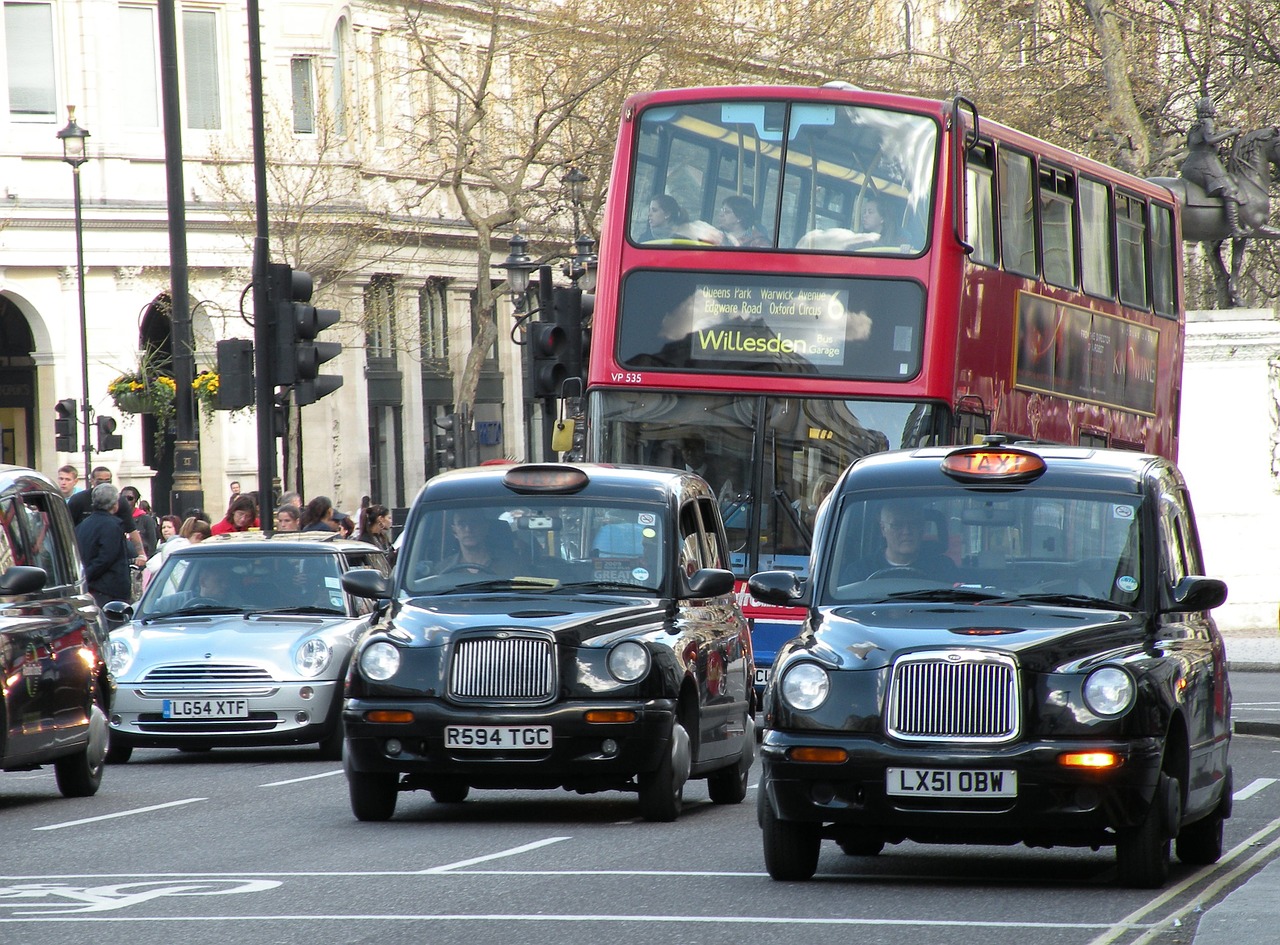
Taxi bookkeeping for self-employed private hire, Uber and Bolt drivers
You do lots of short jobs and fit admin around shifts. Choose taxi driver as your business type when you sign up, and CalCal sets up your income and expense categories for you.
Uber and Bolt friendly
Record Uber and Bolt payouts, platform fees, cash fares and private hire income separately, not in one spreadsheet row.
See MTD sectionFuel and vehicle expenses
Track fuel, repairs, insurance, licence fees, cleaning, parking and other regular running costs.
See expensesMileage or actual costs
Keep the records you need to compare mileage with actual running costs.
See FAQQuarterly MTD updates
Keep figures current throughout the year so quarterly HMRC updates feel like routine admin, not a rebuild.
Quarterly updatesMobile-friendly records
Add income and expenses from your phone when you have a gap between trips.
See screenshotsLess year-end panic
Reports build from your ongoing records, so the end of the tax year is not a hunt for missing receipts.
CompareHow MTD affects taxi drivers
Making Tax Digital for Income Tax changes the way many self-employed people keep and send records. Taxi and private hire drivers who meet the income rules will need digital records and quarterly updates to HMRC.
Digital records
Keep business income and expenses in software, rather than relying on handwritten notes or a year-end spreadsheet tidy-up.
Quarterly updates
Send periodic income and expense totals to HMRC during the year, based on the records you have already kept.
Final declaration
At the end of the year, confirm the final tax position with adjustments, allowances and any other income.
Platform income
Uber, Bolt and other private hire platform payouts still need to be recorded clearly alongside other fares.
Receipts and evidence
Fuel, repairs, cleaning, insurance and other claimable costs need reliable supporting records.
Ongoing visibility
The upside of digital records is that you can see tax estimates and reports throughout the year.
Common taxi driver expenses
Expense rules depend on your circumstances, so this is not personal tax advice. CalCal helps you keep clear records so you and your accountant can decide what is claimable.
Fuel, charging and mileage
Keep fuel or charging receipts, or mileage records if you use a mileage basis. Avoid mixing business and personal journeys.
Vehicle repairs
Record servicing, tyres, MOT, repairs, valeting and cleaning so vehicle costs are not missed.
Insurance and licence fees
Track taxi insurance, private hire licence costs, medicals, badges and local authority fees.
Phone and data
Keep phone, data and app-related costs visible, especially where you use your phone for bookings and navigation.
Platform and card fees
Record Uber, Bolt, card terminal and booking platform charges separately from gross income.
Parking, tolls and congestion charges
Capture trip-related charges when they are genuinely part of business driving.
Quarterly updates without rebuilding your books
The simplest way to handle MTD is to keep the records up to date before the deadline appears.
Record as you go
Add fares, payouts and expenses during the week, not months later from bank statements.
Calendar featureCheck the numbers
Use reports to see income, expenses and tax estimates before a quarterly update is due.
Reports featureKeep HMRC-ready totals
Digital records make quarterly updates and the final tax return less dependent on manual spreadsheet totals.
MTD guideScreenshots
How CalCal helps taxi drivers keep records
Use the calendar and reports to keep fares, vehicle costs and tax figures visible throughout the year.
Calendar quick actions
Add fares, platform payouts and expenses against the right date.
Dashboard and reports
See income, expenses, cash flow and tax figures as records build up.
Spreadsheet vs CalCal
Why taxi drivers move away from spreadsheets
Spreadsheets can work when records are simple, but taxi bookkeeping usually means lots of small fares, platform payouts and vehicle costs. CalCal keeps those records live through the year.
Taxi accounting, bookkeeping and MTD FAQs
Quick answers if you drive a taxi or private hire car, or drive for Uber, Bolt or another app.
Do taxi drivers need MTD?
Taxi drivers who are self-employed may need Making Tax Digital for Income Tax if their qualifying income is above the relevant HMRC threshold. CalCal helps keep digital records and prepare for quarterly updates.
Can Uber drivers use spreadsheets?
Spreadsheets can be useful, but MTD requires compatible digital record keeping and digital links. Software such as CalCal reduces manual totals and keeps reports ready throughout the year.
What expenses can taxi drivers claim?
Common records include fuel or mileage, repairs, insurance, licence fees, phone costs, platform fees, parking, tolls and cleaning. What you can claim depends on your circumstances.
Is mileage better than fuel receipts?
It depends on your vehicle, business use and tax position. Some drivers use mileage records; others use actual running costs. Keep good records either way before choosing.
What records does HMRC require?
You should keep clear records of business income, expenses, dates, receipts and supporting evidence. MTD also requires digital records for those in scope.
Does CalCal work for Uber, Bolt and private hire drivers?
Yes. Whether you drive for Uber, Bolt or a local firm, you add your fares, payouts and platform fees yourself, and keep cash, card and private hire work in one place.
Is CalCal accounting software for a taxi business?
Yes. Choose taxi driver as your business type when you sign up, and CalCal sets up income and expense categories to match, such as motor expenses. Then add fares and costs on the calendar and run reports when you need them.
How much does CalCal cost for taxi drivers?
You can try CalCal free for 10 days. While your trial is active, you can connect to HMRC and send an MTD Income Tax update if you're due. Then £5/month or £50/year if you choose Unlimited. Until you upgrade, your records stay read-only after day 10.
I only need a one-off tax return. What should I use?
If you just need one legacy Self Assessment tax return, Tax Return Only is £35 per submission, with no subscription. It is not for MTD quarterly updates.
Can I do my taxi bookkeeping on my phone?
Yes. Start on the web, then add fares and expenses on your phone between jobs. CalCal works on iPhone and Android.
Useful next reads
More CalCal guides for taxi drivers preparing for MTD and moving away from spreadsheets.
MTD Income Tax
Understand the MTD basics and what quarterly updates mean.
Read the MTD guideMTD for sole traders
Taxi drivers are often sole traders, so this guide is a useful next step.
Sole trader guideSpreadsheet alternative
See why dedicated MTD software is easier than spreadsheet bookkeeping.
Compare with spreadsheetsReady for simpler taxi accounts?
Start keeping taxi driver records the MTD-ready way.
Track fares, expenses and quarterly tax figures in CalCal, with less spreadsheet work and fewer year-end surprises.
Free for 10 days, including HMRC connect and an MTD Income Tax update if you're due. Then £5/month or £50/year if you choose Unlimited.